A 19-year-old Herndon man allegedly peddled 2,000 suspected fentanyl pills and a modified firearm to an undercover detective in Chantilly, Virginia—and walked out on a $5,000 secured bond. That's the cost of doing business in a country where the southern border is a revolving door and the poison flowing through it lands in suburban neighborhoods where ordinary Americans raise their families.
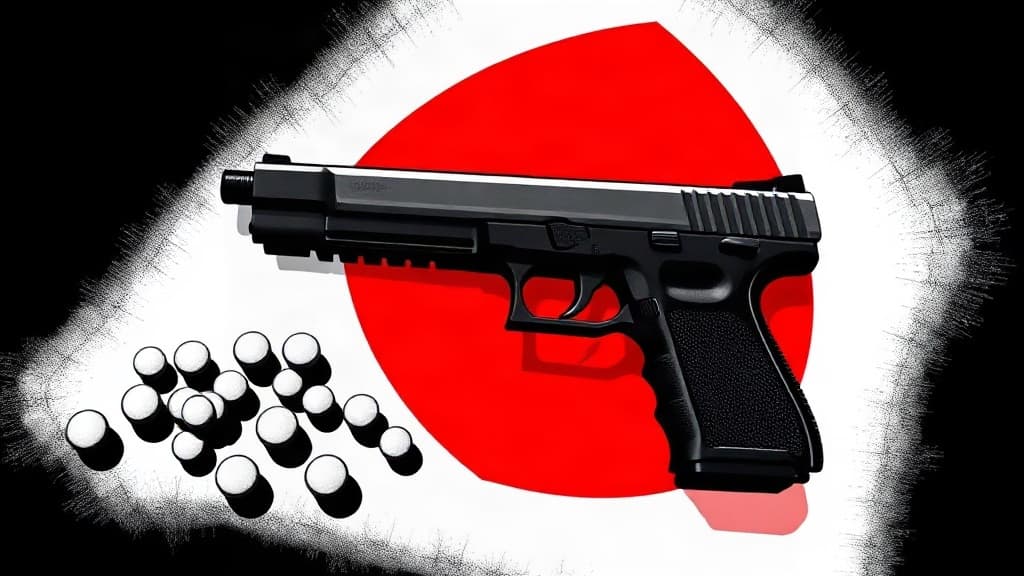
Fairfax County Police say Alhaji Sorie Kamara agreed on Oct. 5 to swap 50 fentanyl pills for a gun with the undercover detective. Ten days later, he showed up in Chantilly to make the deal. When investigators searched his vehicle, they found the full haul: 2,000 suspected fentanyl pills and a firearm rigged with an extended magazine and an auto sear—a device that converts a semi-automatic weapon into a machine gun.
Kamara faces four charges: possession with intent to distribute Schedule I/II narcotics, possession of a firearm while distributing those narcotics, possession of an auto sear, and carrying a loaded firearm in certain localities. According to WJLA, he's being held at the Fairfax County jail on a $5,000 secured bond—meaning a fraction of that amount could put him back on the street.
Here is the failure in full view. Two thousand fentanyl pills don't materialize from thin air in a Virginia suburb. The drug cartels that manufacture this poison operate with virtual impunity south of the border and ship it north through an open border that both parties have refused to seal. Federal agencies—CBP, DEA, HSI—intercept a fraction of what flows in. Local police are left to run undercover stings after the drugs are already distributed into communities. And when they catch a suspect allegedly holding enough fentanyl to kill thousands of people, the justice system sets bond at the price of a used sedan.
WJLA covered the arrest straight, noting the charges and the seizure. The Mechanicsburg Patriot News, the second outlet in this synthesis, ran nothing on the Chantilly bust—instead covering an unrelated Florida scam case. That omission is its own story: another fentanyl bust in another American suburb no longer rates as news. The press has normalized the flow.
No elected official has answered for the pipeline that put 2,000 fentanyl pills in a 19-year-old's car in Fairfax County. No federal agency has explained how a weapon modification built for cartel warfare ended up in a Virginia parking lot. And a $5,000 bond says the system isn't serious about keeping alleged dealers locked up.
The question isn't whether there will be another bust like this one. The question is how many Americans have to die before the institutions that failed them are forced to answer for it.