The Trump administration has designated 21 Latin American criminal organizations as foreign terrorist organizations — treating the cartels pumping fentanyl into American communities as the terrorist armies they are, not mere crime rings that the bipartisan establishment was content to manage rather than defeat.
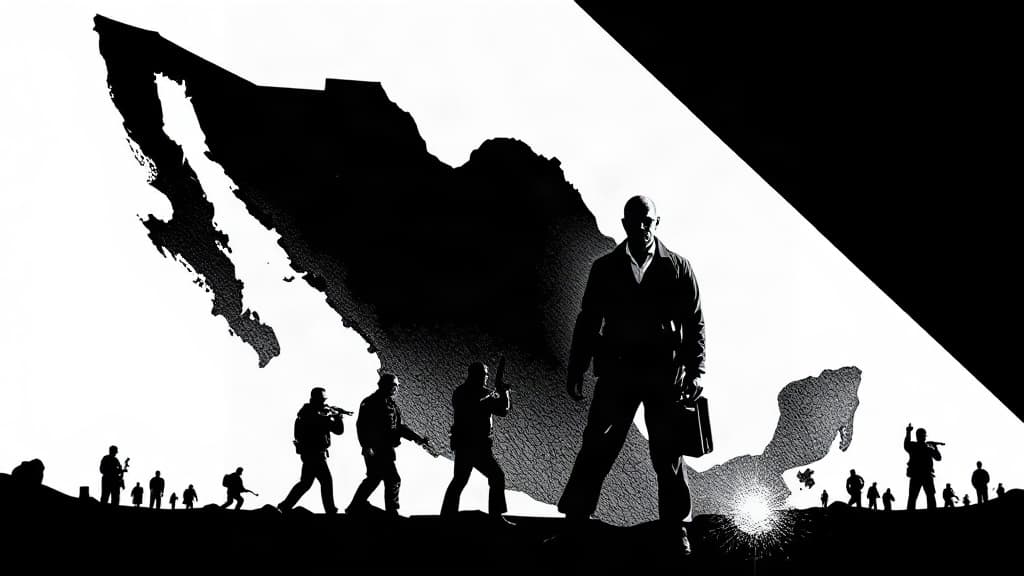
The latest designation, an Ecuadorian group added Wednesday during Secretary of State Marco Rubio's swing through Colombia, Ecuador, and Peru, brings the total to 21. Mexico alone accounts for eight, including the Sinaloa and Jalisco New Generation cartels — the two biggest fentanyl traffickers into the United States. The DEA says Jalisco distributes tons of cocaine, meth, and fentanyl in all 50 states. These are not street gangs. They deploy explosive drones and improvised explosive devices against Mexican authorities. They attempted a spectacular assassination of Mexico City's police chief in the heart of the capital.
The terrorist label was once reserved for groups like ISIS and al-Qaida — organizations that kill for political ends. The New York Post framed the shift as a break from tradition, noting the designation "was once reserved" for ideologically motivated groups, "not for money-focused crime rings." But that distinction collapses when the money-focused crime rings have killed more Americans than any jihadist network ever did. Fentanyl alone claims over 70,000 American lives a year. Calling these organizations what they are is not a rhetorical flourish — it unlocks legal authorities to freeze assets, prosecute material support, and hit anyone who aids them.
The strategy, rolled out in February 2025, has already produced results — and contradictions. According to the New York Post, it served as the pretext for the capture of Venezuelan Nicolás Maduro and for dozens of attacks on alleged narcoterrorist boats, resulting in more than 200 deaths. Guatemala and Argentina have taken similar actions. Ecuador launched joint operations on its own soil.
But the same administration pardoned former Honduran President Juan Orlando Hernández, who was sentenced to 45 years for drug trafficking and accused at trial of protecting the Sinaloa Cartel. He has returned to Honduras. If the cartel fight is a terror war, pardoning a convicted narcotrafficker who shielded Sinaloa is a head-scratcher that demands an explanation the administration has not provided.
Rubio's trip is also building the political architecture behind the designations. Peru officially joined the Shield of the Americas, a 15-nation anti-crime coalition of right-wing governments allied with Washington. Peruvian President Keiko Fujimori — daughter of the former dictator Alberto Fujimori — welcomed Southern Command, FBI, and DEA assistance. "It is essential because it relaunches joint efforts and will allow us to obtain information more quickly and act more firmly," Fujimori said, according to Europe Says.
Not everyone in Lima is cheering. Protesters gathered in San Martin Square chanting "Marco Rubio, get out of Peru!" and carrying signs denouncing U.S. interference. HotAir, which framed the trip as a triumph of conservative realignment, buried the protests entirely — focusing instead on Rubio's praise for Colombia's new president and agreements on critical minerals and civilian nuclear cooperation. Follow the money: those critical mineral deals are about locking down supply chains against China, which Rubio explicitly attacked as making "promises that conceal predatory practices." The Chinese Embassy in Peru fired back, denying any geopolitical calculation.
The question that hangs over all of this is the one Washington never likes to answer: can the same permanent establishment that spent decades ignoring the border while fentanyl killed hundreds of thousands of Americans be trusted to fight the war it finally admits exists? The designations are real. The coalition is real. The pardoned drug-trafficking former president is real too.