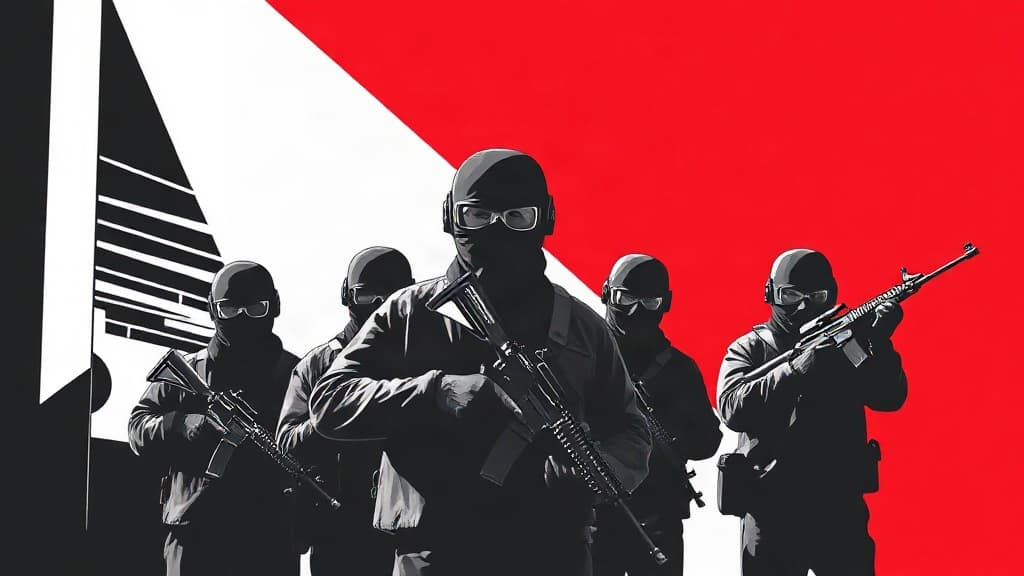
Masked gunmen seized a supermarket in Cartagena, Colombia Tuesday and held at least 25 hostages after a botched armored truck robbery—the same brand of cartel-fueled lawlessness that pours through America's wide-open southern border every day.
What's happening in Cartagena isn't just a foreign problem. The criminal networks that have turned swaths of Colombia into a war zone are the same pipelines funneling fentanyl and illegal crossings into American communities. Foreign chaos doesn't stay foreign when your border is a suggestion.
Armed men with covered faces stormed an Éxito supermarket in Cartagena's La Castellana neighborhood around 8:30 a.m., according to the Associated Press. Colombian President Abelardo de la Espriella said the gunmen initially held 30 people hostage after their attempt to rob an armored cash-in-transit vehicle failed. Five elderly women were released early; Caracol Radio later reported another 10 had been freed. No injuries have been reported so far.
ColombiaOne reported that gunmen forced hostages to cover windows to block police visibility, and that authorities have set a deadline before special operations units move in. Snipers have been spotted on nearby rooftops.
The standoff comes amid a surge of violence. Monday night, a car bomb detonated outside government headquarters in Villavicencio, killing a security guard and injuring more than 20 people. De la Espriella blamed a dissident faction of FARC—known as FARC-EMC—which the Colombian government says has escalated attacks on police stations and military bases.
"Narco-terrorism is desperate because we are confronting it decisively," de la Espriella said, dismissing the landmark 2016 FARC peace deal as a "false peace process." The agreement's 10th anniversary fell on the same day as the hostage crisis.
The framing tells you plenty about who's covering this. The Guardian labeled de la Espriella "far-right" and made sure readers knew he "sometimes wears a gun on his waist and has posed beside the bodies of people killed by police." SFGATE softened that to "conservative leader." MLive didn't label him at all. What none of them grapple with is the obvious: this is what happens when criminal organizations operate with impunity, and it's exactly what's creeping north.
The father of a trapped worker told Agence France-Presse: "My son is there. He didn't leave work and he's not answering his phone. I think they took it from him."
That's the human cost. And it's the same cost American border communities pay when cartel operations expand their reach into our country—whether the establishment press wants to admit it or not.
De la Espriella promised the standoff "will turn out well for the hostages, but I'm not so sure it will turn out quite so well for the hostage-takers." Tough talk. But in Colombia and at the U.S. border, the question isn't what leaders say—it's whether the lawlessness has already spread too far to contain.